Introduction:
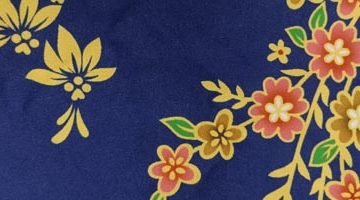
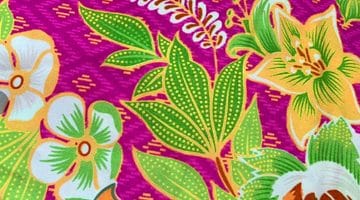
Traditional Malaysian attire has always been an important aspect of the country’s culture. Batik sarung, in particular, has been a popular choice of clothing for many Malaysians due to its versatility and comfort. In recent years, the kain batik sarung business has seen a rise in demand, both locally and internationally. This review will explore the current state of the kain batik sarung business in Malaysia and provide insights into the industry.
Market Analysis:
The kain batik sarung business in Malaysia has seen steady growth in recent years. According to a report by Euromonitor International, the retail value of batik and songket in Malaysia increased by 8% in 2019, reaching RM1.3 billion. This growth can be attributed to several factors, including the rise of the modest fashion trend, the increasing popularity of Malaysian traditional attire, and the growing interest in sustainable fashion.
One of the challenges faced by kain batik sarung businesses in Malaysia is the competition from cheaper, mass-produced batik sarungs from other countries. To combat this, many businesses are focusing on creating unique and high-quality batik sarungs that reflect the Malaysian culture and heritage. They are also utilizing social media and e-commerce platforms to reach a wider audience and increase sales.
Consumer Behavior:
Consumers in Malaysia are becoming more conscious of the impact of their purchasing decisions. As a result, there is a growing demand for sustainable and ethically-made products. This presents an opportunity for kain batik sarung businesses to differentiate themselves by offering eco-friendly and ethically-made batik sarungs.
Another trend in consumer behavior is the rise of the modest fashion movement. This movement promotes clothing that is both stylish and modest, and has gained popularity among Muslim women. Many kain batik sarung businesses have capitalized on this trend by creating batik sarungs that cater to the needs of the modest fashion market.
Challenges and Opportunities:
One of the challenges faced by kain batik sarung businesses in Malaysia is the availability of skilled artisans who can create high-quality batik designs. Many businesses are addressing this by investing in training programs and working with local artisans to preserve the traditional craft.
Another challenge is the increasing competition from cheaper, mass-produced batik sarungs from other countries. To remain competitive, kain batik sarung businesses need to focus on creating unique and high-quality batik designs that reflect the Malaysian culture and heritage.
Despite these challenges, there are several opportunities for kain batik sarung businesses in Malaysia. The rise of the modest fashion trend and the growing interest in sustainable fashion present opportunities for businesses to differentiate themselves by offering eco-friendly and ethically-made batik sarungs. Additionally, the increasing popularity of Malaysian traditional attire among both locals and tourists presents an opportunity for businesses to expand their customer base.
Conclusion:
The kain batik sarung business in Malaysia is experiencing steady growth, with increasing demand for unique and high-quality batik sarungs. Businesses that can differentiate themselves by offering eco-friendly and ethically-made products, as well as those that can cater to the needs of the modest fashion market, are likely to succeed in the industry. However, businesses must also address the challenges of skilled artisan availability and competition from cheaper, mass-produced batik sarungs from other countries. With the right strategies and investments, kain batik sarung businesses in Malaysia can thrive in the increasingly competitive market.