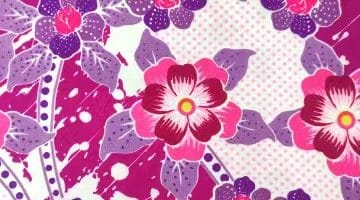
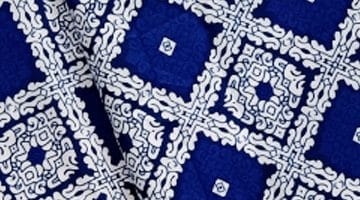
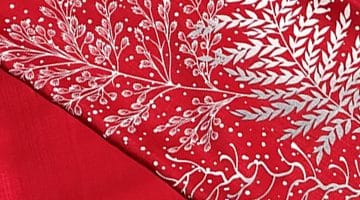
The Batik, Indonesia’s main traditional dress, dates back more than 1,200 years. In September 2009, the United Nations designated Batik as a World Intangible Cultural Heritage. In ancient times, Batik was indispensable to the daily wear of Indonesians. The Batik patterns were thick and colorful, and the patterns were fine, coordinated and beautiful. The cotton fabric is soft and comfortable. However, due to the low production of all handmade products, Batik was gradually eliminated by the invasion of western yangbu in modern times. Thanks to the persistence of The Indonesian people in traditional culture, Batik was eventually passed down and became a world-class handicraft.
Batik is a unique Batik fabric made by Indonesia’s unique Batik technology. It has a wide base in Indonesia and can be seen everywhere in Indonesian life, from the president to ordinary people. They have several pieces of batik clothes in their closets, such as batik shirts, batik sarong and batik kaftan.
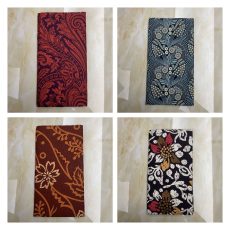
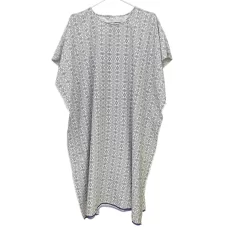
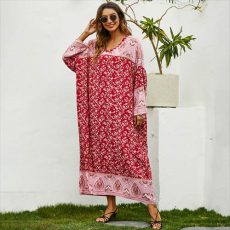
Batik is generally divided into two types, hand making and machine printing. The former one is mostly made by cotton or silk, but the price is usually very high. Machine printed patterned batik is usually much cheaper and common in the market, ranging from 1 USD to 7/8 USD per pc.
It is not unusual to see women living and working in them in Java’s cities and towns. Batik can also be seen at state events, foreign missions and embassies in Indonesia. Indonesian presidents and dignitaries often wear Batik at official events.
Women in the palace of hand-painted traditional Batik which is also called Java batik, the color is given priority to with indigo, dark brown and white. Under the influence of Chinese and Dutch culture, the patterns of the Batik became popular with red and phoenix ChengXiang pattern with Chinese characteristics. Other factors are also introduced such as the Dutch blue, tulips, buildings and carriage design, etc.
Of course, certain patterns also represent certain culture and social status, and there are still several traditional Badi patterns used in the royal palaces of Yogyakarta and Solo today.
In different provinces and cities in Indonesia, the color pattern is also very different. Batik has geometric shapes, but also colorful birds and tigers; Some pay attention to symmetry, and some prefer scattered; There are abstract, there are freehand.
In short, people everywhere incorporate their own customs, aesthetic tastes, cultural characteristics and religious traditions into Badib’s designs. Indonesia’s Batik, best known in Central Java and Bali, has endured for centuries. In addition to Indonesia, Batik also has different styles in other countries. Batik in Malaysia inherits the artistic style of Malay culture with the best langawi patterns and production methods that are almost the same as those in Indonesia. Batik is also produced in Zimbabwe and other places in Africa, and is also exported to North America and Europe, but the pattern is thick lines, large flowers or birds.